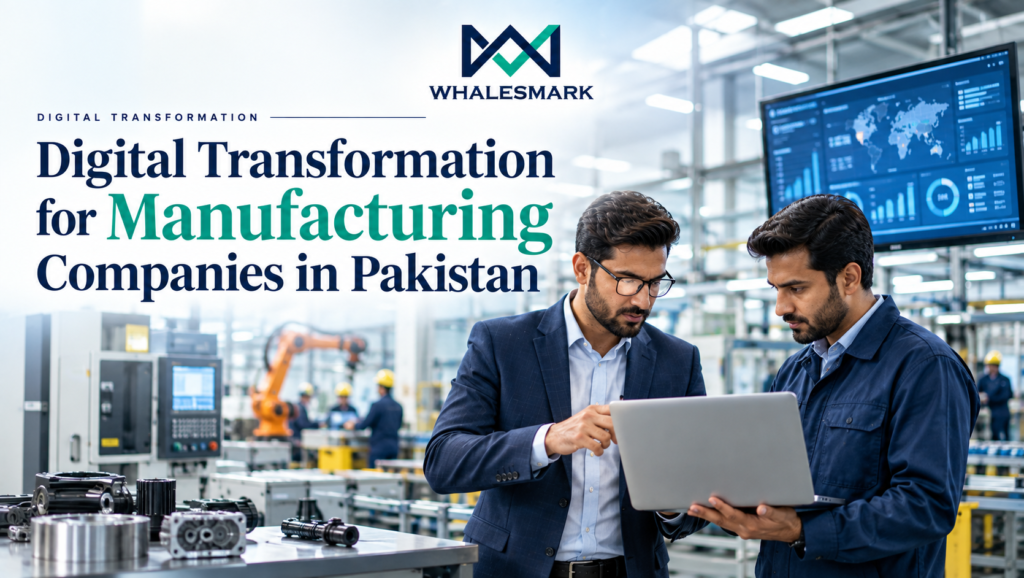
Pakistan’s manufacturing sector needs efficiency, resilience, and data-driven decisions. Digital transformation for manufacturing Pakistan is no longer limited to multinational factories. Local producers can use connected systems, automation, analytics, and integrated platforms to improve competitiveness.
Table of Contents
Why Manufacturing Digitalization Matters
Manufacturers often manage production, inventory, maintenance, quality, and sales through disconnected processes. This creates delays, weak visibility, and avoidable costs. Manufacturing digitalization connects these activities so managers can respond faster.
Pakistan’s 2024–25 Annual Plan identifies obsolete technology, low productivity, and limited Industry 4.0 adoption as manufacturing challenges. It reports manufacturing contributed 11.89% of GDP in 2023–24. These conditions make digital transformation for manufacturing Pakistan a competitiveness issue, not simply a technology upgrade.
Building a Smart Manufacturing Strategy
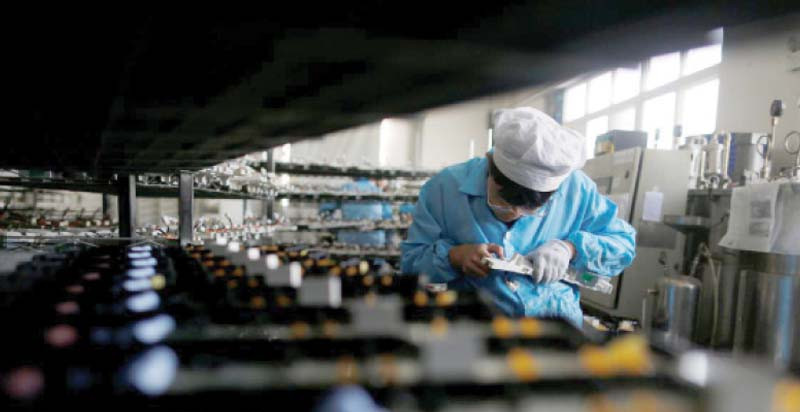
Smart manufacturing Pakistan should begin with business priorities rather than expensive technology. A factory might digitize production records, connect equipment data, introduce dashboards, and later apply predictive analytics for smart manufacturing Pakistan. This phased approach reduces disruption.
Textile, food, and engineering manufacturers can connect production, inventory, quality, equipment, and order data. Smart manufacturing Pakistan turns operational information into faster, better decisions. Digital transformation for manufacturing Pakistan also helps align these improvements with strategy.
Technologies Supporting Manufacturing Digitalization
Enterprise resource planning systems can integrate finance, purchasing, inventory, production, and sales. Industrial IoT devices can collect equipment information, while cloud platforms make data accessible across departments. Artificial intelligence can support forecasting, inspection, anomaly detection, and maintenance planning.
However, technology should follow a defined business problem. Installing sensors without deciding how information will improve decisions can create data without value. Effective digital transformation for manufacturing Pakistan therefore requires process redesign, data governance, cybersecurity, training, and measurable targets.
Improving Productivity and Decision-Making
A major benefit of digital transformation for manufacturing Pakistan is better visibility, especially through manufacturing digitalization. Managers can identify bottlenecks, monitor inventory, compare planned with actual output, and detect recurring quality problems. Better information can strengthen procurement.
The Pakistan Bureau of Statistics reported 4.82% Large-Scale Manufacturing Index growth during July–December 2025–26. Companies investing in manufacturing digitalization can build stronger capabilities instead of relying on manual reporting.
A Practical Roadmap
A successful program can follow five stages: assess processes, prioritize high-value problems, select suitable technology, run a focused pilot, and scale what works. Management should measure downtime, inventory accuracy, order cycle time, energy use, defect rates, and equipment effectiveness.
Smart manufacturing Pakistan becomes more valuable when connected to strategy. Leadership should prepare employees for changing workflows and explain how new tools support their work.

Choosing the Right Transformation Partner
Manufacturers don’t need to digitize everything. They need a roadmap aligned with operational realities, investment capacity, workforce, and growth objectives. Digital transformation for manufacturing Pakistan should ultimately improve measurable business performance.
Companies seeking guidance can work with Whalesmark, whose consulting approach covers strategy, operations, and digital transformation for smart manufacturing Pakistan. With the right priorities, manufacturing digitalization can become a practical program for productivity and visibility. Smart manufacturing Pakistan can then become an operating model rather than a technology slogan for measurable results.
FAQs
What is digital transformation for manufacturing Pakistan?
Digital transformation for manufacturing Pakistan means using digital technologies, connected data, automation, analytics, and integrated systems to improve manufacturing operations and business decisions.
How does smart manufacturing Pakistan improve factory performance?
Smart manufacturing Pakistan connects machines, processes, and business data so manufacturers can monitor operations, identify problems faster, reduce downtime, and make better production decisions.
Why is manufacturing digitalization important for Pakistani manufacturers?
Manufacturing digitalization can improve visibility, productivity, inventory control, quality management, forecasting, and responsiveness while helping companies compete in changing markets.
Should a small manufacturer invest in digital transformation?
Yes. Smaller manufacturers can begin with focused projects such as digital inventory, production tracking, maintenance monitoring, or ERP integration before expanding into more advanced technologies.