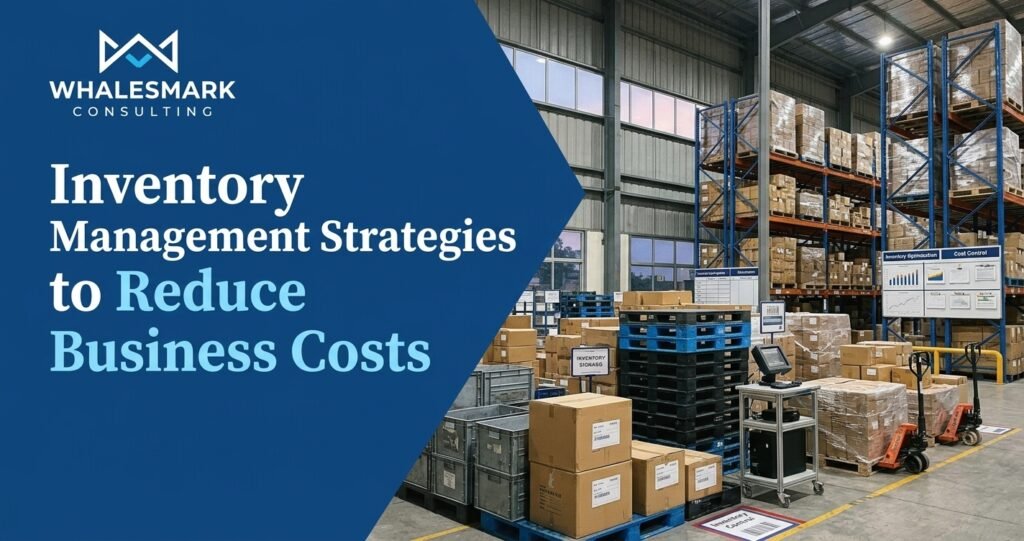
Effective inventory management plays an important role in controlling business expenses, maintaining cash flow and improving operational efficiency. Businesses that struggle with inaccurate stock records, excessive inventory or unexpected shortages often experience unnecessary financial pressure.
Implementing effective Inventory Management Strategies helps companies maintain appropriate stock levels while meeting customer demand. From purchasing decisions to warehouse operations, every stage of inventory management can influence profitability.
A structured approach to Inventory Cost Reduction allows businesses to identify unnecessary expenses, improve resource allocation and support sustainable growth.
Table of Contents
Understanding Inventory Management and Business Costs
Inventory management involves planning, purchasing, storing, tracking and distributing products or materials according to operational requirements.
Businesses incur several inventory-related expenses, including storage, insurance, handling, transportation and losses resulting from damaged or obsolete products. Excess inventory also ties up working capital.
Effective Inventory Optimisation helps companies balance product availability with the financial resources committed to stock.
Businesses can adopt appropriate Inventory Control Techniques to monitor stock movements, prevent discrepancies and identify opportunities for cost savings.
Effective Inventory Management Strategies for Businesses
Companies can implement several practical approaches to improve stock management and reduce unnecessary expenses.
Improve Demand Forecasting
Businesses should analyse historical sales, seasonal trends and customer purchasing patterns to estimate future demand. Accurate forecasting can reduce unnecessary purchasing and improve stock availability.
Establish Appropriate Reorder Levels
Reorder points help businesses determine when additional stock should be purchased. These levels should consider expected demand during supplier lead times and appropriate safety stock.
Implement ABC Inventory Analysis
ABC analysis classifies inventory according to its relative importance, commonly using annual consumption value. Businesses can apply closer monitoring to high-value items while adopting proportionate controls for other products.
These Inventory Control Techniques help organisations prioritise resources and improve purchasing decisions.
Reducing Inventory Holding Costs
Holding excessive inventory can increase warehouse expenses, handling costs and the risk of product deterioration or obsolescence.
Businesses should regularly review inventory turnover and identify products that remain unsold for extended periods. Slow-moving inventory may require revised purchasing quantities, promotional activities or alternative sales arrangements.
Effective Inventory Cost Reduction also involves evaluating supplier lead times, purchasing frequency and minimum order quantities.
Through appropriate Inventory Optimisation, companies can reduce unnecessary stock commitments without compromising essential product availability.
Using Inventory Management Software
Manual inventory tracking becomes increasingly challenging as businesses expand their product ranges, warehouses and sales channels.
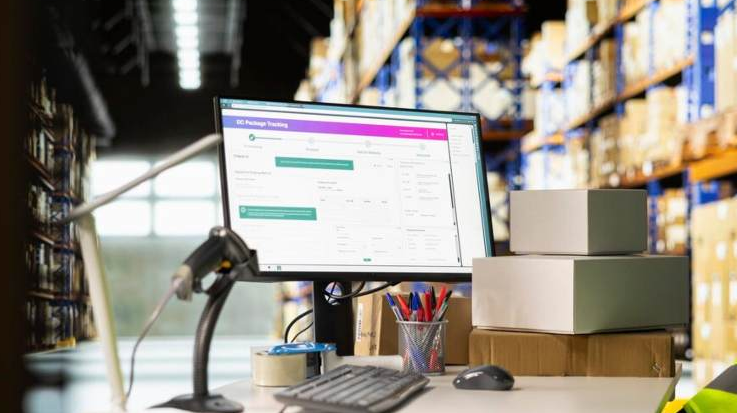
Inventory Management Software helps organisations monitor stock movements, purchasing activities, product availability and warehouse transactions.
Depending on the platform, common capabilities include barcode scanning, automated stock alerts, inventory reporting and integration with accounting systems.
Businesses can also connect Inventory Management Software with Enterprise Resource Planning (ERP) systems to improve coordination between procurement, sales, finance and warehouse departments.
However, software effectiveness depends on accurate information, proper configuration and consistent employee adoption.
Strengthening Supplier and Procurement Management
Supplier performance directly influences inventory availability and purchasing expenses. Unreliable deliveries can force businesses to maintain excessive safety stock or arrange costly emergency purchases.
Companies should evaluate suppliers based on delivery reliability, product quality, pricing and contractual conditions.
Effective Inventory Management Strategies should include regular supplier performance reviews and realistic purchasing schedules.
Negotiating suitable order quantities and delivery arrangements can support Inventory Cost Reduction while maintaining operational stability.
Businesses should also consider alternative suppliers for critical products to reduce dependence on individual vendors.

Improving Inventory Accuracy and Internal Controls
Differences between recorded and physical inventory can result in inaccurate financial reporting, unnecessary purchasing and order fulfilment problems.
Businesses should establish clear procedures for recording stock receipts, transfers, returns and damaged goods.
Regular cycle counting and physical stock verification are important Inventory Control Techniques that help identify discrepancies before they become significant operational problems.
Using Inventory Management Software alongside documented procedures can improve transaction visibility and accountability.
Companies should also monitor inventory accuracy, turnover, carrying costs and stockout frequency to evaluate the effectiveness of their Inventory Optimisation efforts.
How Whalesmark Supports Better Business Management
Whalesmark recognises the importance of structured planning, financial discipline and operational efficiency.
Businesses adopting Inventory Management Strategies should align purchasing decisions, stock management and warehouse activities with their broader financial objectives.
A systematic approach to Inventory Cost Reduction helps management evaluate operational expenses and identify areas requiring improvement.
Combining reliable information with effective management practices can support better resource utilisation and informed business decisions.
Conclusion
Effective inventory management requires accurate information, reliable suppliers, appropriate technology and consistent internal controls.
Businesses that implement suitable Inventory Management Strategies can improve stock visibility, manage working capital and reduce avoidable operational expenses.
By treating inventory management as a strategic business responsibility, companies can strengthen profitability and establish a more reliable foundation for sustainable growth.
Frequently Asked Questions
1. What are the best inventory management strategies for businesses?
Effective strategies include demand forecasting, ABC analysis, appropriate reorder levels, regular stock verification and supplier performance monitoring.
2. How can businesses reduce inventory costs?
Businesses can achieve Inventory Cost Reduction by controlling excess stock, improving purchasing decisions, identifying obsolete products and reducing unnecessary storage expenses.
3. What are the most effective inventory control methods?
Common Inventory Control Techniques include ABC analysis, cycle counting, reorder point planning and safety stock management. Their suitability depends on business requirements.
4. How does inventory software improve business efficiency?
Inventory Management Software helps businesses track stock movements, improve reporting accuracy and support purchasing decisions. These capabilities contribute to effective Inventory Optimisation and better operational coordination.