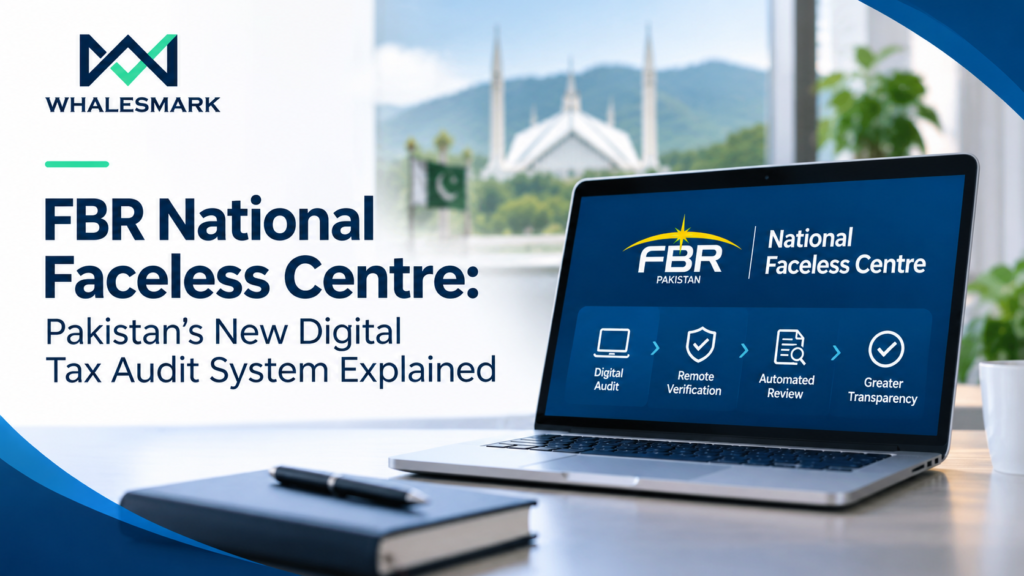
The National Faceless Centre is a step towards digitizing tax administration in Pakistan by the Federal Board of Revenue (FBR). This initiative is to modernize the tax audit process, make it transparent and limit direct contact between the taxpayer and the tax officers. The new approach aims at the structure, uniformity and technology of tax assessment and audit procedures.
Knowing about the new tax audit system of FBR is crucial for everyone, whether they are salaried workers, freelancers, or businesses, in Pakistan. It is important tax payers understand that the IRS is not just looking for numbers, but also scrutiny on digital records; why their income tax return might be the subject of an audit; and how to remain compliant with the tax laws.
What is FBR National Faceless Centre?
The National Faceless Centre is a scheme proposed for the modernization of the tax audit and assessment approach by the FBR. A faceless system would enable taxpayers to deal with tax-related matters online, without the need to meet tax officers in person.
The purpose of the system is to increase the efficiency of administration and provide a more transparent tax compliance environment. FBR is looking to consolidate the administration of tax returns by leveraging technology and streamlined processes.
How does the New FBR Tax Audit System work?
The new approach puts in place a more structured tax audit case selection and handling process. The risk based selection, made on a computer, can be used to identify returns which might need further investigation.
The system can automatically flag any discrepancies or compliance issues based on the information it has and any risk factors it’s aware of, rather than relying on manual checks.
The process can be composed of multiple steps:
1. Computerized Case Selection
A computerised, risk-based process may be used to identify tax returns for further investigation. Appropriate indicators can be used to detect inconsistencies or information that needs to be verified.
Being selected for an audit doesn’t necessarily indicate that a taxpayer has engaged in tax fraud or is in violation of the tax laws. It indicates that the return should be sent to the procedures of the applicable regulations for further examination.
2. Digital Communication
Digital Tax Administration can help minimise face-to-face contacts and enable some communications to be made digitally. Taxpayers will be notified or requested to provide supporting documents via the designated electronic channels, depending on the procedure.
The taxpayers should always keep an eye on their official tax accounts and comply with the due dates of the valid notices.
3. Ensure that the audit and assessment functions are separated
The new administrative model is a separation of the responsibilities related to audit, assessment and review. This division will be used to create a more formal process and improve oversight.
Better-defined authority assignments can also contribute to greater uniformity and accountability in tax enforcement.
Why is FBR implementing a Faceless Tax Audit System’?
Several benefits can also be expected in the shift towards digital tax administration.
Greater transparency: Standardized digital processes can help minimise direct contact between taxpayers and tax authorities, where it is not necessary.
More efficient work: Electronic communication and document submission can help eliminate administrative delays and streamline some aspects of the audit process.
Risk-based scrutiny: Computerised selection may be able to assist FBR in allocating resources to cases which merit closer scrutiny.
Steps Taxpayers Take to Prepare for an FBR Tax Audit
You will need to get ready in case of any tax review. The following steps can help taxpayers become more compliant:
Complete and file income taxes correctly and on time.
- Keep financial records and pertinent documents organized.
- Make sure that declared income matches all the relevant financial information.
- Maintain records of withholding taxes, tax deductions, and payments.
- Keep an eye on official channels of communication from the FBR for notices and alerts.
- Answer information requests in a timely fashion.
- Seek professional advice from a tax expert whenever an audit notice is received or a complex tax issue comes up.
Proper and full accounting records will simplify the explanation of the financial transactions and answer questions during an audit.
Will the Faceless System Eliminate Tax Audits?
No. A faceless system doesn’t imply that tax audits will be eliminated. Rather, it alters the way in which some cases might be processed.
It is possible for taxpayers to still be asked to supply documents, clarify discrepancies, and adhere to tax laws. The digital approach is designed to streamline administration but not to take the place of the government’s power to audit tax returns.
The exact process, rights of the taxpayer, response timelines and review processes will be available as per the relevant laws, rules and official notifications.
Frequently Asked Questions (FAQs)
What is the FBR National Faceless Centre of Pakistan?
FBR National Faceless Centre is a step towards modernizing tax administration with a more organized and digital process. It is designed to increase transparency, simplify tax audits and assessments, and minimise direct contact between tax authorities and taxpayers which is not essential.
How will the new FBR tax audit system impact taxpayers?
The new tax audit system is designed to be more structured by applying the computerization of tax audit and new risk based technology to the process of selecting the tax returns to be audited. If a taxpayer is selected for scrutiny, they will be required to give supporting documents or explanations. Being selected for audit does not indicate to the taxpayer that there is any violation of the tax laws.
If my income tax return is selected for auditing by the FBR, what should I do?
When your income tax return is selected for audit by FBR, carefully read the official notice and understand the deadline for responding, and have the necessary financial statements and supporting documents ready. Take appropriate action via the official channels and seek professional tax advice if necessary.
Conclusion
The FBR National Faceless Centre is a significant move towards digital tax administration in Pakistan. FBR’s goal is to enhance transparency, efficiency, and accountability through moving towards computerized case selection and more structured audit, assessment, and review procedures.
The most crucial thing that needs to be followed by salaried employees, freelancer, and companies is maintaining financial records and following income tax regulations. Knowing the process of the new tax audit system can aid taxpayers in their response to tax audit notices and help them better manage their tax obligations.
Taxpayers are advised to keep following the official announcements released by the FBR as implementation takes place and understands the latest procedures and requirements.