For small and medium-sized enterprises (SMEs) in Pakistan, predicting future sales is essential for managing cash flow, controlling inventory, and planning business growth. Whether a company operates a retail shop, distributes consumer goods, or supplies industrial products, uncertain demand can lead to excess stock, missed orders, and financial pressure. Sales forecasting Pakistan SMEs strategies help businesses estimate future sales using historical records, market conditions, and customer behaviour.
Table of Contents
Why Sales Forecasting Matters for Pakistani SMEs
Many businesses make purchasing and spending decisions based on previous experience rather than structured analysis. However, sales can change because of inflation, price adjustments, seasonal demand, customer preferences, and competition.
A reliable forecast helps business owners estimate future revenue, plan purchases, set achievable sales targets, and prepare for slower periods. Effective revenue forecasting also supports budgeting by connecting expected sales with operating expenses, supplier payments, and working capital requirements.
For Pakistani businesses, forecasts should consider local factors such as Ramadan and Eid demand, wedding seasons, changing purchasing power, and currency fluctuations where imported products are involved.

1. Historical Sales Analysis
Historical analysis is one of the simplest ways to begin sales forecasting Pakistan SMEs. Businesses review sales records from previous months or years to identify recurring patterns and estimate future performance.
For example, a Lahore-based distributor records monthly sales of PKR 1.2 million, PKR 1.4 million, and PKR 1.3 million over three months. The average is approximately PKR 1.3 million. This provides a starting estimate for the following month, assuming demand remains relatively stable.
However, historical averages alone cannot account for sudden market changes, new competitors, or unusual promotional activity.
2. Moving Average and Trend Analysis
A moving average uses recent sales figures to smooth short-term fluctuations. It works well when businesses want a straightforward forecast without investing in advanced analytics.
Trend analysis takes a different approach by examining whether sales are generally increasing or decreasing. If a Karachi retailer’s monthly revenue has risen consistently, the business can use that trend to develop a preliminary estimate for the coming months.
Combining these methods can improve sales prediction, especially when businesses review forecasts regularly and investigate significant differences between expected and actual results.
3. Seasonal Sales Forecasting
Some products experience predictable demand changes throughout the year. Clothing retailers may see stronger sales during Eid, while stationery suppliers may experience increased demand around school reopening periods.
Seasonal forecasting compares current sales with similar periods in previous years. Businesses should also account for changing Eid dates, promotions, price changes, and supply availability.
This approach makes revenue forecasting more relevant to local market conditions than relying on a single monthly average.
4. Data-Driven and Predictive Forecasting
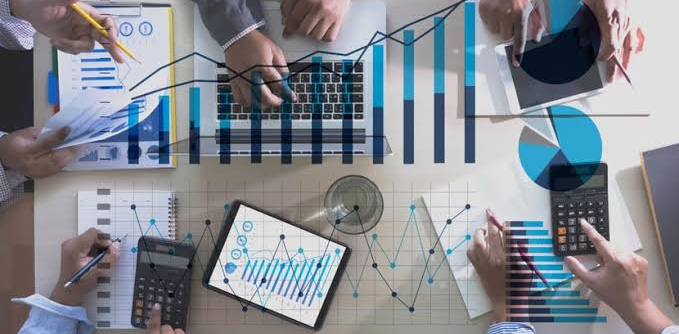
Businesses with organised digital sales records can use spreadsheets, dashboards, and statistical tools to analyse more variables. These may include product categories, customer segments, selling prices, discounts, sales channels, and inventory availability.
More advanced predictive models can identify relationships that traditional methods may miss. However, complex models are not automatically more accurate. A 2025 comparative study of forecasting methods in make-to-order manufacturing highlighted the importance of matching the forecasting approach to demand patterns, available data, and implementation resources. Read the research.
For SMEs, a practical starting point is to maintain accurate sales records, establish a simple baseline forecast, and introduce advanced sales prediction techniques only when they offer measurable value.
How to Implement Sales Forecasting in Your Business
Start by collecting at least several months of sales data, preferably covering a full year when seasonal patterns matter. Separate sales by product, customer, or location where useful, and record promotions, stock shortages, and major price changes.
Next, select a suitable forecasting method and compare its estimates with actual results every month. Track forecast errors and adjust assumptions when business conditions change.
At Whalesmark Consulting, businesses can explore how data analytics and business advisory support better planning and informed commercial decisions.
Turn Sales Data into Better Decisions
Effective sales forecasting Pakistan SMEs practices do not require expensive software or a dedicated data science team. They require reliable records, an appropriate method, and consistent review.
By improving revenue forecasting and using practical sales prediction techniques, Pakistani SMEs can make better purchasing decisions, manage financial risks, and plan sustainable growth with greater confidence.
Frequently Asked Questions
1. What is sales forecasting for Pakistani SMEs?
Sales forecasting Pakistan SMEs refers to estimating future sales using historical performance, market trends, seasonal demand, and customer information. It helps small businesses plan inventory, budgets, and sales targets.
2. Which sales forecasting method is best for small businesses?
Historical averages and moving averages are useful starting points for businesses with stable demand. Seasonal analysis or predictive models may be more appropriate when sales fluctuate significantly or depend on several variables.
3. How does revenue forecasting help improve cash flow?
Revenue forecasting helps businesses estimate incoming sales revenue and plan expenses, supplier payments, inventory purchases, and working capital needs. Forecasts should account for payment delays because recorded sales do not always translate into immediate cash.
4. Can sales prediction tools work without expensive software?
Yes. SMEs can begin with spreadsheets and basic dashboards. As their data improves, they can evaluate statistical forecasting tools or advanced analytics based on business needs, affordability, and measurable results.